
Types of Lead-Acid Batteries for UPS Systems
Overview of Lead-Acid Battery Types
1. VRLA Battery (Valve-Regulated Lead Acid)
VRLA batteries are the most commonly used in UPS applications. They are sealed batteries that utilize a starved electrolyte absorbed in a plate separator or formed into a gel. VRLA batteries offer several key advantages over the traditional VLA (Vented Lead Acid) batteries:
- Sealed Design: The electrolyte is securely contained, preventing leakage and allowing the battery to be installed in any position.
- Low Maintenance: VRLA batteries are largely maintenance-free, requiring only periodic checks and monitoring to ensure optimal performance and minimize the risk of thermal runaway.
- Safety Features: These batteries include a one-way safety pressure relief valve to release excess gas, ensuring safe operation.
There are two primary VRLA battery designs:
- Absorbent Glass Mat (AGM): Uses glass mats with fine fibers to hold the electrolyte.
- Gel Cell: Utilizes a gel-like electrolyte made from sulfuric acid mixed with fumed silica.
VRLA Battery Life
Although VRLA batteries are designed to last around 10 years, they typically need replacement every 4-5 years to maintain optimal performance. High ambient temperatures and frequent discharge cycles can shorten their lifespan. Maintaining the battery at the manufacturer's recommended float voltage is essential to avoid overcharging and prolong battery life.

2. VLA Battery (Vented Lead Acid)
VLA batteries, also known as wet cell batteries, differ from VRLA batteries in that they are vented to allow gases to escape into the atmosphere. These batteries are often encased in transparent enclosures, allowing users to inspect electrolyte levels and the condition of the lead plates.
- Longer Life: VLA batteries typically last up to 20 years, providing a longer lifespan than VRLA batteries.
- Low Maintenance: While they require less frequent replacements and are more resistant to overcharging, VLA batteries demand quarterly maintenance and are more sensitive to environmental conditions.
- High Upfront Cost: VLA batteries tend to be more expensive than VRLA batteries, but for applications requiring long runtimes and extended battery life, the higher initial cost may be justified.
VLA batteries are still commonly used in industries like telecommunications, banking, government, and utilities, despite their larger footprint and higher maintenance requirements.
3. Pure Lead VRLA Battery
Pure lead batteries are an advanced version of VRLA AGM batteries, featuring plates made from highly purified lead (99.9%+ purity). These batteries offer higher efficiency, greater power density, and longer life compared to standard VRLA batteries.
- Enhanced Performance: Pure lead batteries can offer greater power density, making them a viable alternative to lithium-ion batteries in some cases.
- Longer Lifespan: Due to the use of pure lead plates, these batteries tend to have a longer service life and are highly resistant to degradation over time.
- Potential Lithium-Ion Alternative: Pure lead batteries may be an attractive option where there are concerns about the safety or regulatory issues associated with lithium-ion batteries, especially in applications where space and power density are critical.
While pure lead VRLA batteries may be more expensive upfront, their enhanced performance, longer lifespan, and greater safety features can offer a more cost-effective total ownership experience, especially in applications where high reliability and long runtimes are essential.
Conclusion
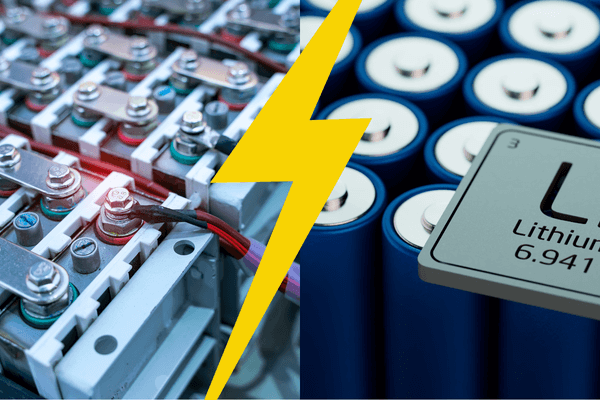
Selecting the right lead-acid battery for your UPS system depends on several factors, including the required runtime, expected lifespan, and environmental conditions. VRLA batteries are a popular choice for many due to their low maintenance and reliable performance, while VLA batteries offer longer life but require more frequent maintenance. Pure lead VRLA batteries combine the benefits of VRLA technology with enhanced efficiency and power density, offering a promising alternative to both traditional lead-acid and lithium-ion options.
For those looking for advanced solutions, it’s also worth considering newer technologies like lithium-ion batteries, which can offer even greater performance and longevity. However, lead-acid batteries continue to be a dependable and cost-effective choice for many UPS applications.
Off-Grid Lithium Batteries: Best for Sustainable Energy Solutions
What Size Solar Panel to Charge 100Ah Battery?

If you are looking for the products for your business please
contact us

+86 75782782286


Headquaters: Block7, No.115, ZhangChayi Road, Foshan, Guangdong, China